7 Best Sports Photo Tips That Actually Work

thumbnail

Photographing athletes and movement is one of the most technically demanding – and rewarding – areas of photography. Fast action, unpredictable moments, challenging lighting, and the need to convey energy and emotion all at once. Whether you’re documenting a youth soccer match, shooting for a fitness brand, or building a portfolio, the right approach makes all the difference.

These tips cover everything from an AI shortcut for sports and fitness images to gear, camera settings, composition, and what separates forgettable sports photos from the best sports photography you’ve seen in print.

1. Use an AI Sport & Fitness Photo Generator – Professional Results Without the Shoot

Great fitness and sports imagery usually means booking a photographer, renting a gym or studio, coordinating outfits and athletes, and spending hours on set. The Eltima AI Headshot Generator skips all of that.
Use an AI Sport & Fitness Photo Generator

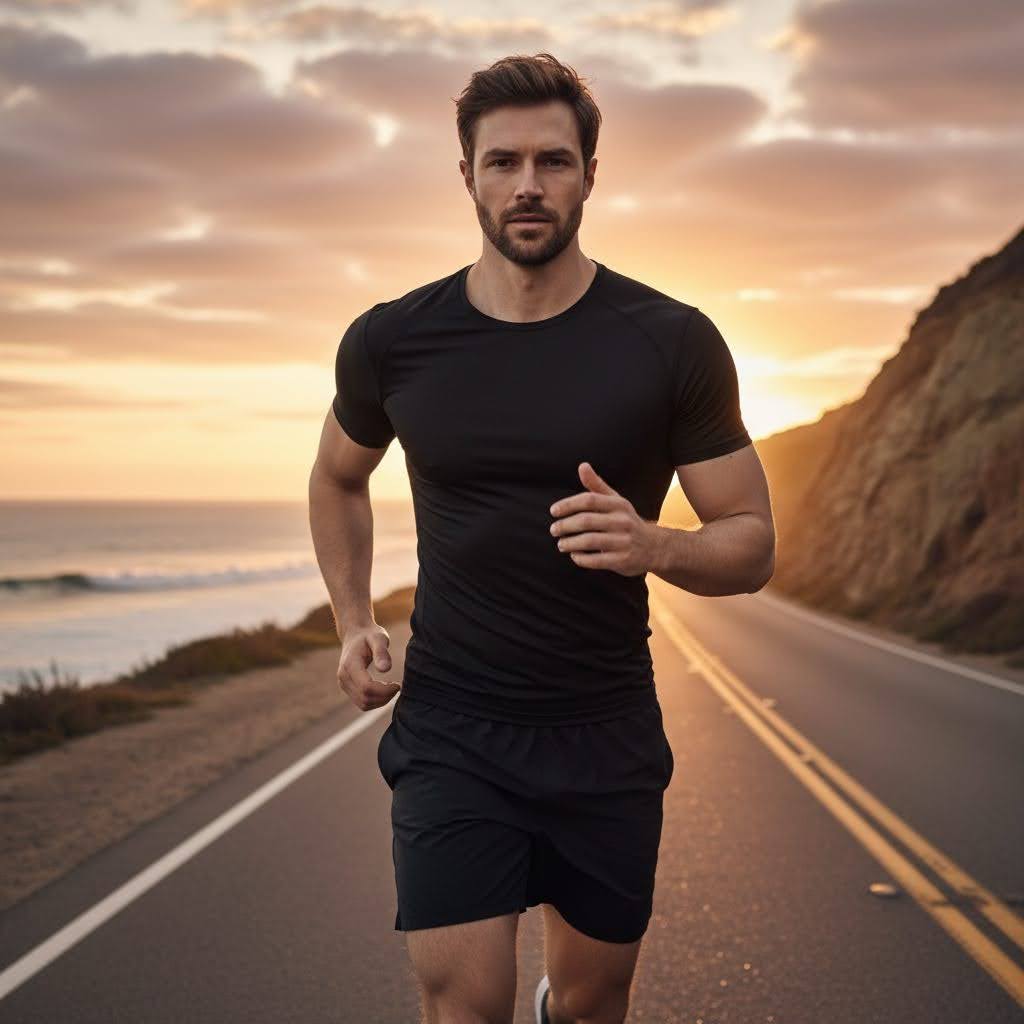
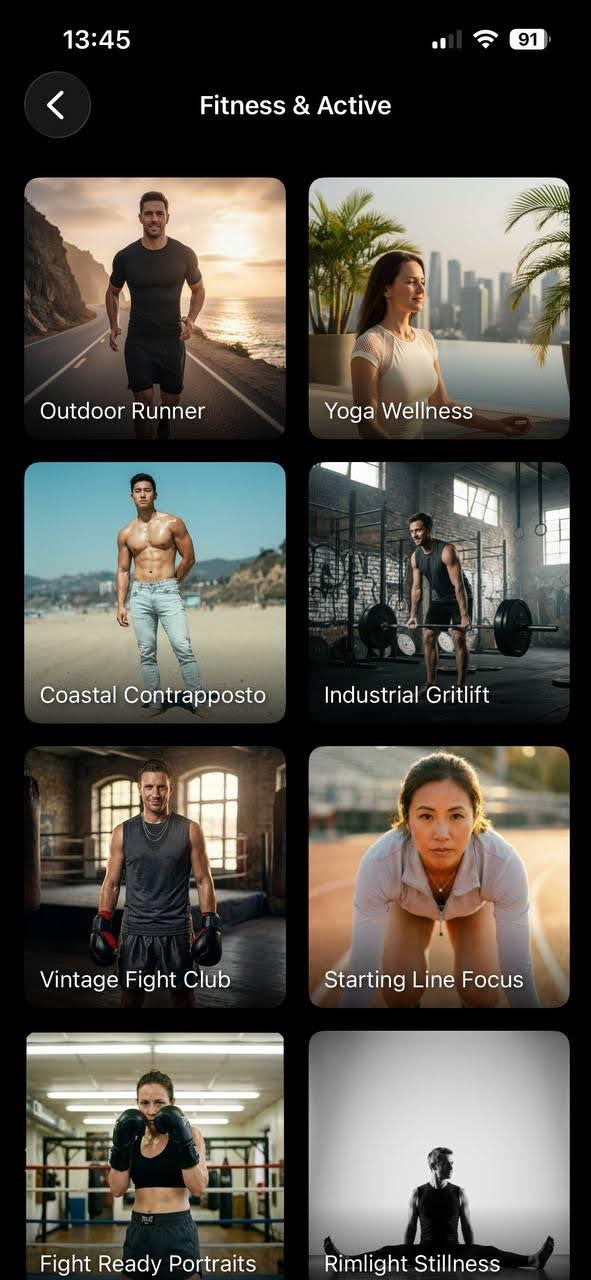
Upload a selfie, and the AI places you into dynamic, realistic fitness scenes – yoga poses, running, boxing, gym workouts, and more. The results look like professional athletic photography: proper lighting, authentic environments, natural movement.
Professional Sport Results Without the Shoot with AI Generator

Who this is for:

  • ✅ Yoga studios and gyms that need compelling visuals without hiring a photographer
  • ✅ Personal trainers and fitness coaches building a social media presence
  • ✅ Athletes who want quality sports portrait photography for profiles or sponsorship pitches
  • ✅ Anyone who wants fitness content without the cost and logistics of a real shoot


The app is available on iPhone via the App Store and produces results that are genuinely usable for marketing, social media, and professional profiles – not obviously AI-generated.

2. Camera Settings for Sports Photography – The Non-Negotiables

If there’s one area where beginners consistently struggle with photography, it’s settings. Shooting in auto mode almost guarantees blurry athletes and missed moments. Three settings control everything.
Camera Settings for Sports Photography

Sports photography camera settings that matter:

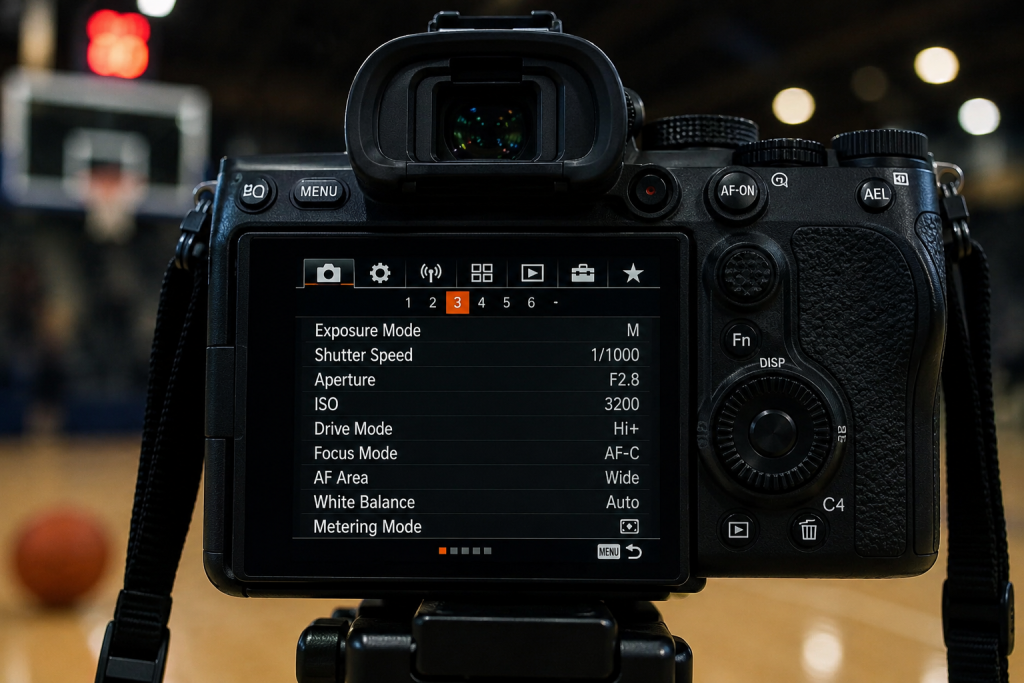
  • ✅ Shutter speed: 1/500s minimum, 1/1000s or faster for peak action – this is the single most important setting. Anything slower and you’ll get motion blur on fast subjects. For track, football, or martial arts, go 1/2000s or higher
  • ✅ Aperture: f/2.8–f/4 – wide enough to let in light at fast shutter speeds, and shallow enough to separate athletes from busy backgrounds
  • ✅ ISO: raise it – sports often happen indoors or in unpredictable light. Don’t be afraid of ISO 3200 or even 6400 on modern cameras; a sharp, noisy image beats a blurry clean one every time
  • ✅ Continuous autofocus (AF-C or AI Servo) – set your camera to track moving subjects rather than locking focus once. This is non-negotiable for action
  • ✅ Burst mode – shoot 8-20 frames per second and select the peak moment in editing


Get these settings dialed before the action starts. There’s no time to adjust mid-play.

3. Choose the Right Lens for Sports Photography

The lens matters more than the camera body in most photography situations – and in sports, it matters enormously. You need reach, speed, and autofocus performance simultaneously.

What lens to use for sports photography:

  • ✅ 70–200mm f/2.8 – the single most versatile option for most sports. Reach without being unmanageable, fast aperture for low light, excellent autofocus on any major system. The industry standard for a reason
  • ✅ 300mm f/4 or 400mm f/5.6 – for outdoor sports where you’re shooting from the sidelines or stands and need more reach (track and field, football, baseball)
  • ✅ 24–70mm f/2.8 – underused in sports but excellent for tight environments, team photography, and behind-the-scenes coverage where a long lens isn’t practical
  • ✅ 50mm f/1.8 – a budget-friendly option for indoor sports in low light, when you can position yourself close to the action


In general: the longest fast glass you can afford to own or rent. Image stabilization helps at longer focal lengths but doesn’t replace the need for fast shutter speeds.

4. Anticipate the Action – Timing Beats Reaction

The most common advice for how to shoot sports photography is “use fast shutter speed and burst mode”. That’s necessary but not sufficient. The photographers who consistently get the decisive moment aren’t just reacting – they’re anticipating.
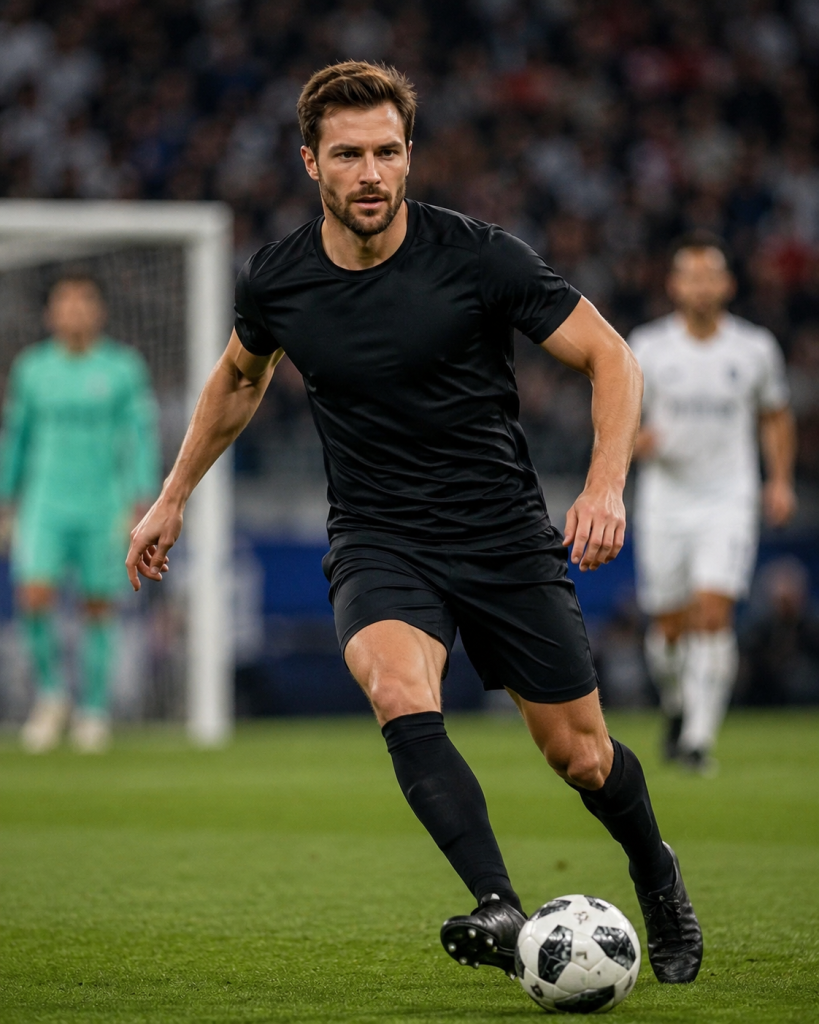
Anticipate the Action – Timing Beats Reaction

How to predict peak action:

  • ✅ Learn the sport – know when the decisive moment is likely to happen. Sports action photography rewards those who understand the rhythm of the game: a basketball player’s face peaks at the top of their jump, a soccer player’s expression peaks at contact with the ball, a gymnast’s form peaks mid-rotation
  • ✅ Watch before you shoot – spend the first 10-15 minutes of any sports event observing patterns, not shooting. Where does the action concentrate? Where is the light best?
  • ✅ Position yourself intelligently – the best spot is rarely the most obvious one. Think about background (avoid cluttered, distracting backdrops), light direction, and where the decisive moments happen most frequently
  • ✅ Pre-focus on a spot – for predictable action like a hurdle or a base, pre-focus on the location and shoot as the athlete arrives, rather than trying to track and focus simultaneously


Timing is a skill that develops over hundreds of events. The technical settings get you in the game; anticipation is what wins it.

5. How to Get Into Sports Photography — Build a Portfolio That Opens Doors

For anyone starting out and wondering how to get into sports photography professionally, the path is more accessible than it looks – but it requires deliberate effort.

Practical steps:

  • ✅ Start local – high school games, amateur leagues, community events, and youth sports are almost always willing to let photographers shoot. You get practice; they get images
  • ✅ Shoot for free initially – offer images to local teams, coaches, and sports organizations. These relationships often lead to paid work or media credentials
  • ✅ Build a specialized portfolio – a portfolio of 20 strong images from one sport beats a portfolio of 100 mediocre images across ten. Editors and clients want to see you can perform in specific situations
  • ✅ Pursue credentials – once you have a portfolio, contact local newspapers, sports websites, or team communications departments. Many will grant media access in exchange for image licensing
  • ✅ Study the best – look at work by sports photographers like Walter Iooss Jr., Neil Leifer, and Simon Bruty. Understand what makes their images work technically and compositionally


The sports photography industry rewards persistence and specialization more than most areas of commercial photography.

6. Sports Portraits — Go Beyond the Action Shot

The defining image of any sporting event isn’t always the peak action moment. Some of the most powerful creative sports photography ideas happen before the game starts, at the margins, or in the quiet moments that action photography misses entirely.

Ideas worth exploring:

  • ✅ Pre-game rituals – athletes warming up, taping, mentally preparing. These moments often carry more emotion than the game itself
  • ✅ The bench – reactions from teammates who aren’t playing: the agony, the joy, the focus. Often completely overlooked
  • ✅ Celebrations and consolations – the moment after the final whistle is frequently more expressive than anything during play
  • ✅ Environmental shots – empty stadiums, training grounds, equipment laid out before a match. Strong graphic images that provide context and atmosphere
  • ✅ Long exposure blur – intentionally use a slow shutter (1/30–1/60s) while panning with the athlete to create motion blur in the background while keeping the subject relatively sharp. A completely different feel from a frozen action shot


The photographers who build lasting careers in sports photography are the ones who can deliver both: the sharp, decisive moment and the layered, emotional story around it.

7. Sports Team Photography — Group Shots That Don't Look Generic

Sports team photography is one of the most common commercial requests in this field – and one of the most consistently disappointing in execution. Most team photos look like everyone stood in a line and waited to be dismissed. They don’t have to.

How to take good sports photos of groups:

  • ✅ Use environment – shoot on the actual field, court, or track rather than in front of a plain backdrop. Context makes the image
  • ✅ Layer the group – use natural height differences, have some athletes kneel or sit, position others at different depths. Create visual interest rather than a flat row
  • ✅ Capture energy – a team shot doesn’t have to be static. Try a slow walk toward camera, a huddle from above, or a mid-celebration freeze
  • ✅ Light intentionally – if shooting outdoors, position the group so the light hits faces evenly (open shade or overcast works best for large groups). Avoid direct midday sun, which creates harsh shadows under eyes and noses
  • ✅ Shoot the individuals too – alongside the full team shot, capture individual and small-group portraits. These are often the images players actually use – for profiles, recruitment, and personal use


The best sports team photos feel like the team, not like a lineup. Spend time before the shoot understanding the team’s personality and let that inform how you arrange and direct them.

Final Thoughts

Sports photography rewards preparation more than almost any other genre. Know your settings before the action starts. Know the sport before you raise the camera. Know your position before the decisive moment arrives.

Whether you’re shooting a professional match with a 400mm telephoto, capturing a local race with a borrowed kit lens, or using the Eltima AI generator to create fitness content for a studio website – the principles are the same: anticipate, react, and tell the story that the score alone can’t capture.

Frequently Asked Questions

Sports photography is the practice of capturing athletic events, athletes in action, and the surrounding stories of sport – from peak action moments to team portraits and behind-the-scenes imagery. It requires fast shutter speeds, telephoto lenses, strong anticipation skills, and the ability to tell a compelling visual story under pressure and in unpredictable conditions.

Yes, the Eltima AI Headshot Generator generates realistic athletic imagery from a selfie, placing you in yoga, running, boxing, gym, and other fitness scenarios. It’s particularly useful for businesses like yoga studios, gyms, and fitness coaches who need compelling visual content without the cost of a professional photoshoot.

Cameras with fast burst rates, strong continuous autofocus, and good high-ISO performance are essential. Top choices include the Sony A9 III, Canon EOS R3, and Nikon Z9 for professionals; the Sony A6700, Canon R7, and Nikon Z50 II for enthusiasts on a budget. The autofocus system matters more than megapixel count – look for subject tracking that can handle fast, unpredictable movement.

Start with shutter speed at 1/1000s or faster, aperture at f/2.8-f/4, and ISO set to auto with a ceiling of 6400. Use continuous autofocus (AF-C or AI Servo) and burst mode. These settings work for most outdoor daytime sports; indoor or low-light venues may require pushing ISO higher and accepting more noise.

A fast telephoto lens (70-200mm f/2.8 is the standard) makes a significant difference, particularly for autofocus performance and light gathering in difficult conditions. That said, a 70-300mm f/4-5.6 zoom is a much cheaper alternative that performs well in good light. Renting before buying is worth considering – a 70-200mm f/2.8 is expensive but frequently available to rent for individual events.